November 7, 2026
Ensuring good airflow in your home is essential for comfort, energy efficiency, and overall health. When seeking expert guidance, top AC companies can provide valuable insights into optimizing your system's performance. In this article, we explore various methods to enhance the flow of air throughout your living spaces, addressing common issues and offering practical solutions.
1. Assessing and Unblocking Existing Vents
A. Identifying Vent Locations
The first step in improving airflow in your home is identifying where your vents and ducts are located. This may sound straightforward, but in many older homes or homes with recent renovations, vents can be hidden behind furniture or curtains. Knowing their precise locations helps you ensure they are open and functioning properly. Additionally, being aware of your vents' locations allows you to plan your home layout better to promote air circulation. Taking the time to map these out is an investment in both comfort and efficiency.
B. Regular Cleaning of Vents
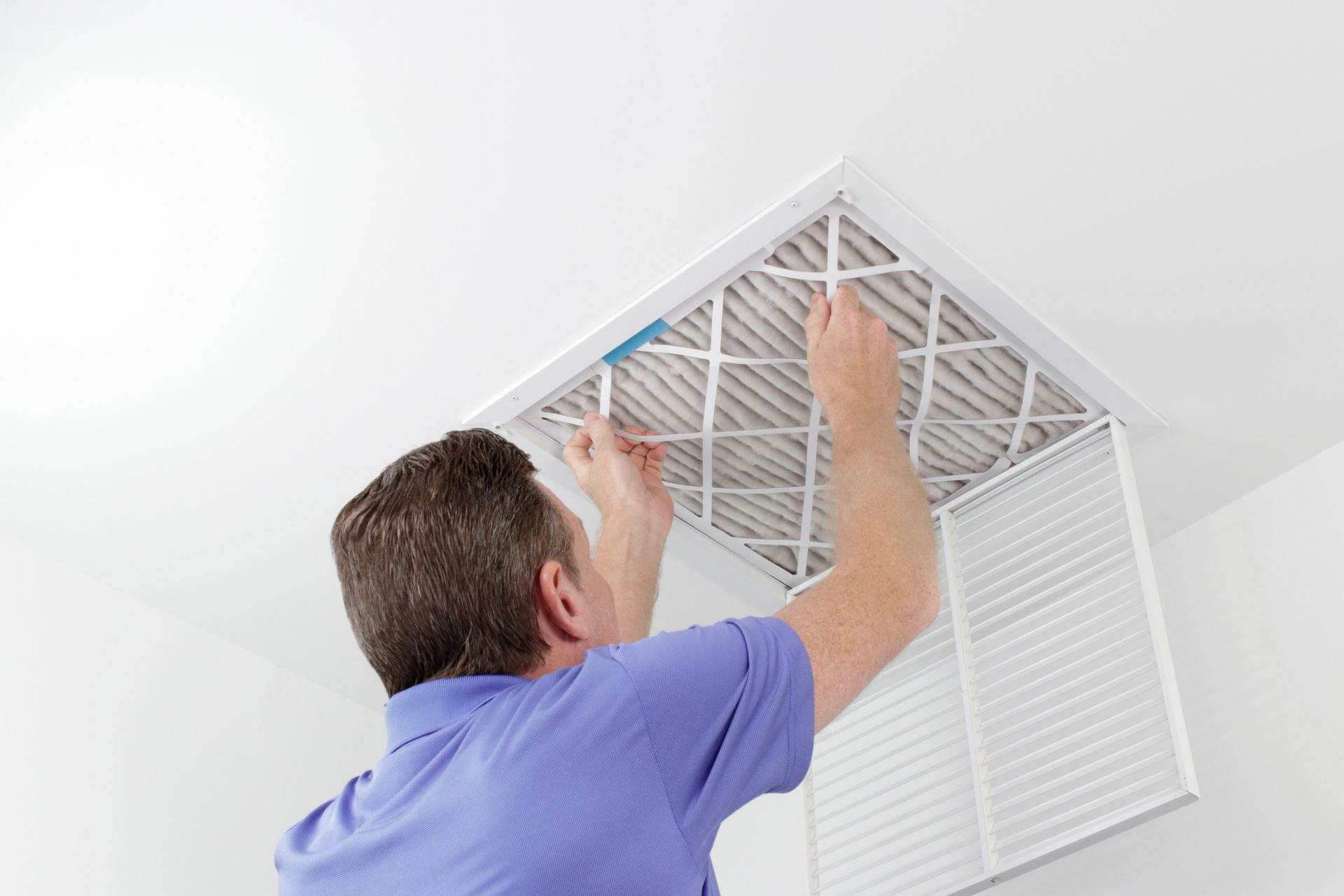
Regularly cleaning your vents is crucial to maintaining good airflow. Dust, pet hair, and other debris can accumulate, obstructing the airflow. Blocked vents force your HVAC system to work harder, reducing its efficiency and increasing energy costs. Start by vacuuming the vent openings and grilles, and consider hiring professional cleaning services annually for the ductwork. Reputable AC companies often emphasize that clean vents not only optimize airflow but also improve indoor air quality, thus benefiting your health.
C. Avoiding Obstructions Near Vents
Once you have identified your vent locations, it is essential to keep them unobstructed for optimal airflow. Furniture, curtains, and rugs can block airflow if placed too close to vent openings. Ensure that there is enough space around each vent for air to circulate freely into the room. Regularly rearrange or adjust your decor to keep paths clear, particularly in heavily furnished rooms. This simple step can dramatically impact the efficiency of your airflow.
D. Checking for Air Leaks
Air leaks in your ductwork can severely affect the efficiency of your heating and cooling systems. Leaks let conditioned air escape, leading to uneven temperatures and increased energy bills. To detect leaks, feel for air moving along the duct lines and seal any detected leaks with mastic sealant or duct tape. Periodically, consider having professional AC companies perform a duct system audit. Addressing air leaks not only enhances airflow but also makes your home more energy-efficient.
E. Balancing Home Ventilation
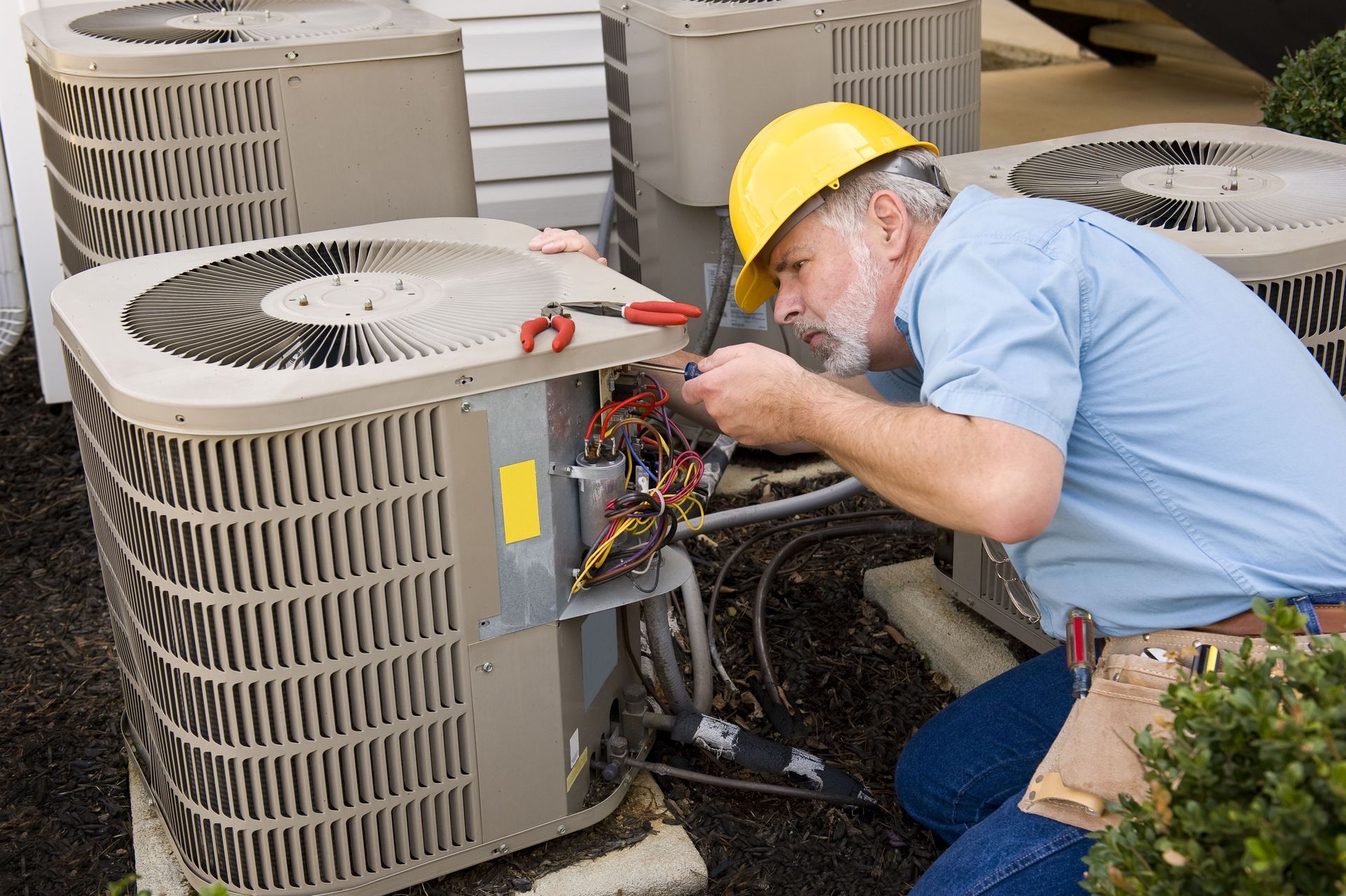
Balancing ventilation involves adjusting the airflow to each room to achieve uniform heating and cooling. It requires checking damper settings in your ductwork to ensure even distribution. A balanced system alleviates the workload on your HVAC system by reducing the frequency of heating and cooling cycles. This could also prevent the common occurrence of calls for HVAC repairs, which according to Industry Research, are a result of nearly 54% of issues related to air conditioning systems. Employing this strategic approach enhances your home’s comfort and can extend the lifespan of your HVAC system.
2. Utilizing Ceiling Fans Effectively
A. Correct Placement of Ceiling Fans
Ceiling fans can be a highly effective tool in promoting good airflow, but placement is key. Ideally, ceiling fans should be centered in rooms and positioned about 8-9 feet above the floor for optimal air distribution. If possible, consider placing fans in larger rooms or areas where people frequently gather. The even spread of air facilitates a cooler atmosphere in summer temperatures. Fan placement should always be designed to maximize the effective circulation area in each room.
B. Seasonal Fan Direction Changes
Fans should rotate counterclockwise in the warmer months to push cool air down and create a breeze. Conversely, changing the direction clockwise during colder months can assist in drawing warm air down from the ceiling, capitalizing on the natural rise of warm air. Most ceiling fans allow for an easy switch to change the direction. Understanding the basic physics of air movement can save on heating and cooling costs throughout the year. Also, the correct seasonal setting ensures comfort and resource efficiency.
C. Maintaining Optimal Fan Speeds
Adjusting the speed of your ceiling fans is pivotal. In warmer months, a higher speed setting is preferable, while a lower speed may suffice during cooler periods. The proper speed setting not only ensures comfort but also aids in keeping the airflow consistent. Experiment with different settings to find what works best for each room. Remember that an ineffective setting can diminish airflow, leading to either wasted energy or discomfort.
D. Incorporating Energy-Efficient Fans
With an increasing focus on energy efficiency, opting for fans with an Energy Star rating can be advantageous. These fans use advanced designs to move air more effectively without consuming as much power. Many local AC companies recommend energy-efficient upgrades because the initial investment pays off through substantial long-term energy savings. Moreover, energy-efficient fans contribute to a reduced carbon footprint. A well-chosen fan can be both an eco-friendly and economically sound addition to your home.
E. Cleaning and Maintenance of Fan Blades
A critical but often overlooked aspect of fan efficiency is regular cleaning and maintenance. Dust accumulation on fan blades can impede performance and circulate allergens. Clean the blades periodically with a damp cloth, and check for any wobbling, which may indicate the need for tightening or balance adjustment. Regular maintenance ensures optimal functionality and longevity. Clean fans can also lead to improved air quality, making indoor environments healthier.
3. Implementing Window Ventilation Strategies
A. Cross Ventilation Techniques
Cross ventilation is a technique that uses openings on opposite sides of a room or building to enhance airflow. By strategically opening windows or doors on opposing sides, one can create a path for air to flow through the space effectively. It’s a natural and efficient way to cool your home without relying solely on mechanical systems. This method also helps in minimizing the need for HVAC repairs, as a naturally ventilated home puts less strain on these systems. Efficient cross ventilation during cooler mornings and evenings keeps energy costs low and comfort high.
B. Utilizing Natural Wind Patterns
The local climate and natural wind patterns can greatly influence how you approach window ventilation. Understanding which directions the wind usually comes from allows you to open windows strategically to capture and channel airflow. Exterior conditions, such as landscape features, can also affect these patterns, so consider all environmental factors while planning. Windows positioned to harness prevailing winds can minimize reliance on mechanical cooling. Incorporating knowledge of these natural elements is a sustainable method to enhance indoor airflow.
C. Installing Window Ventilation Aids
To further bolster airflow through windows, consider using ventilation aids like vented covers or louvers that permit air while blocking rain and debris. They allow windows to remain open during less favorable conditions, ensuring continuous airflow. Louvers, for example, can guide and direct the airflow into specific areas of a room, increasing their effectiveness. Installation of these aids requires minimal effort yet provides significant enhancement in ventilation. They are advantageous in maintaining comfortable temperatures while ensuring your home’s security and cleanliness.
D. Using Weather Stripping for Efficiency
Proper weather stripping around windows and doors is essential in preventing unintentional air leaks. Experienced AC companies often highlight that unsealed drafts compromise overall HVAC efficiency. While weather stripping assists in conserving heating and cooling energy, it also contributes to maintaining controlled ventilation where necessary. Adopting energy-efficient measures helps in preserving conditioned air inside residential spaces, complementing natural ventilation efforts by maintaining desirable interior climates. An investment in quality weather stripping is a proactive approach to ensuring comprehensive airflow control.
By implementing these strategies, you can significantly improve the airflow within your home, enhancing both comfort and energy efficiency. Whether you choose simple natural ventilation techniques or partner with professional AC companies for advanced mechanical upgrades, keeping air moving is crucial for creating a healthier, more balanced living environment. Contact Currents and Cooling Inc today to get started.