June 17, 2026
Improving the efficiency of a home cooling system involves a strategic combination of advanced equipment, consistent maintenance, and expert implementation. Modern cooling systems are intricate networks that require specialized attention to perform at their peak. When a system operates inefficiently, it not only struggles to maintain a consistent indoor temperature but also consumes an excessive amount of electricity, leading to inflated utility bills.
Professional assistance from AC companies bridges the gap between basic mechanical operation and true energy optimization. Specialized technicians possess the diagnostic tools and practical training required to evaluate a home as a complete thermal environment. They analyze how different components interact, ensuring that modifications to one part of the system do not inadvertently create bottlenecks or strain elsewhere. By relying on professional expertise, property owners can transition from reactive troubleshooting to a proactive stance that secures long-term comfort and environmental sustainability.
Implementing Smart Thermostat Technologies
Integrating smart thermostats into a residential layout is one of the most accessible methods for driving down energy waste. These digital control centers go beyond the capabilities of traditional programmable models by studying household patterns, tracking presence, and automatically altering temperature parameters to prevent cooling an empty house. Remote connectivity via Wi-Fi allows residents to monitor and modify settings from anywhere, granting unprecedented flexibility over daily energy consumption. Furthermore, these devices generate comprehensive reports that highlight usage spikes, empowering residents to adjust their habits and eliminate unnecessary power draw.
In the U.S., where 88% of households use air conditioning, according to Workyard, incorporating smart technologies like these is more relevant than ever. A majority of those are central AC systems or heat pumps that benefit greatly from the nuanced control a smart thermostat offers. By utilizing these precise data insights, home comfort systems can reduce their runtime without sacrificing occupant comfort. The integration of these intelligent controls helps mitigate the broader environmental footprint of residential cooling while providing a clear pathway toward lower monthly expenditures.
Upgrading Variable Speed Compressors
Transitioning from standard single-speed hardware to variable-speed compressors represents a monumental leap in mechanical efficiency.
Traditional units operate on an all-or-nothing basis, running at maximum capacity until the thermostat is satisfied and then shutting off completely. This constant cycling requires massive surges of electrical current and creates noticeable temperature swings inside the home. Variable speed alternatives modify their output continuously, running at lower, steadier speeds to match the exact cooling load of the building at any given moment.
This operational flexibility yields significant benefits regarding both noise reduction and equipment longevity. Because the machinery avoids the harsh mechanical stress of frequent starts and stops, individual components experience far less wear over time, directly lowering the frequency of unexpected system breakdowns. Running continuously at a lower capacity also allows the system to remove humidity from the air more effectively, creating a more comfortable indoor climate at a slightly higher temperature setting. Investing in this advanced technology and getting professional help from AC companies helps transform how energy is utilized throughout the hottest months of the year.
Designing Zoned Cooling Frameworks
Dividing a house into distinct thermal zones allows for a highly targeted approach to climate control that eliminates universal waste. Traditional layouts force a single thermostat to dictate the temperature for every room, frequently over-cooling unoccupied spaces like guest bedrooms or formal dining areas just to keep the master bedroom comfortable. Zoned systems utilize a network of motorized dampers within the ductwork, controlled by independent thermostats, to redirect conditioned air exclusively where it is actively required.
This customized methodology addresses the inherent structural challenges of multi-story houses or buildings with expansive layouts. Family members can maintain different rooms at varying temperatures according to personal preference, ending household disputes over a single thermostat setting. AC companies work to restrict the volume of space that needs active cooling at any one time, reducing the overall mechanical workload. This reduction in operational strain translates directly into prolonged equipment life and a substantial drop in overall energy demand.
Upgrading High Efficiency Filtration
Utilizing advanced filtration media is an effective mechanism for preserving internal cleanliness and optimizing system aerodynamics. Standard fiberglass filters are designed solely to keep large debris from damaging the machinery, letting fine dust, pet dander, and microscopic allergens pass through freely. High-efficiency filters capture a much greater percentage of these small particles, which drastically improves indoor air quality while preventing the accumulation of insulating dust blankets on sensitive internal components.
When airflow is restricted by a clogged or subpar filter, internal motors must spin faster and work harder to pull air through the system, driving up electricity consumption. Consistently choosing high-quality filtration keeps the internal pathways clear, ensuring the system breathes easily and operates within its designed parameters. This simple upgrade balances the dual goals of maintaining healthy, breathable indoor air and protecting the mechanical infrastructure from the silent efficiency drains caused by particulate accumulation.
Transitioning to Advanced Refrigerant Solutions
The chemical compounds responsible for transferring heat out of a home have undergone an extensive evolution toward eco-friendly baselines. Older generations of chemical refrigerants are being systematically phased out due to their high global warming potential and ozone-depleting characteristics. Modern cooling units from professional AC companies utilize advanced chemical blends designed to optimize thermodynamic heat transfer while significantly reducing the potential environmental impact in the event of an accidental system leak.
These modern compounds exhibit excellent heat-absorption characteristics, allowing contemporary cooling systems to achieve superior energy efficiency ratios. Technicians must undergo rigorous training to manage these advanced fluids safely, utilizing specialized recovery equipment to prevent atmospheric venting during service or installation. By adopting these updated chemical standards, modern households align their personal comfort needs with global environmental initiatives, ensuring their cooling infrastructure remains compliant and efficient for decades to come.
Executing Seasonal System Tune-Ups
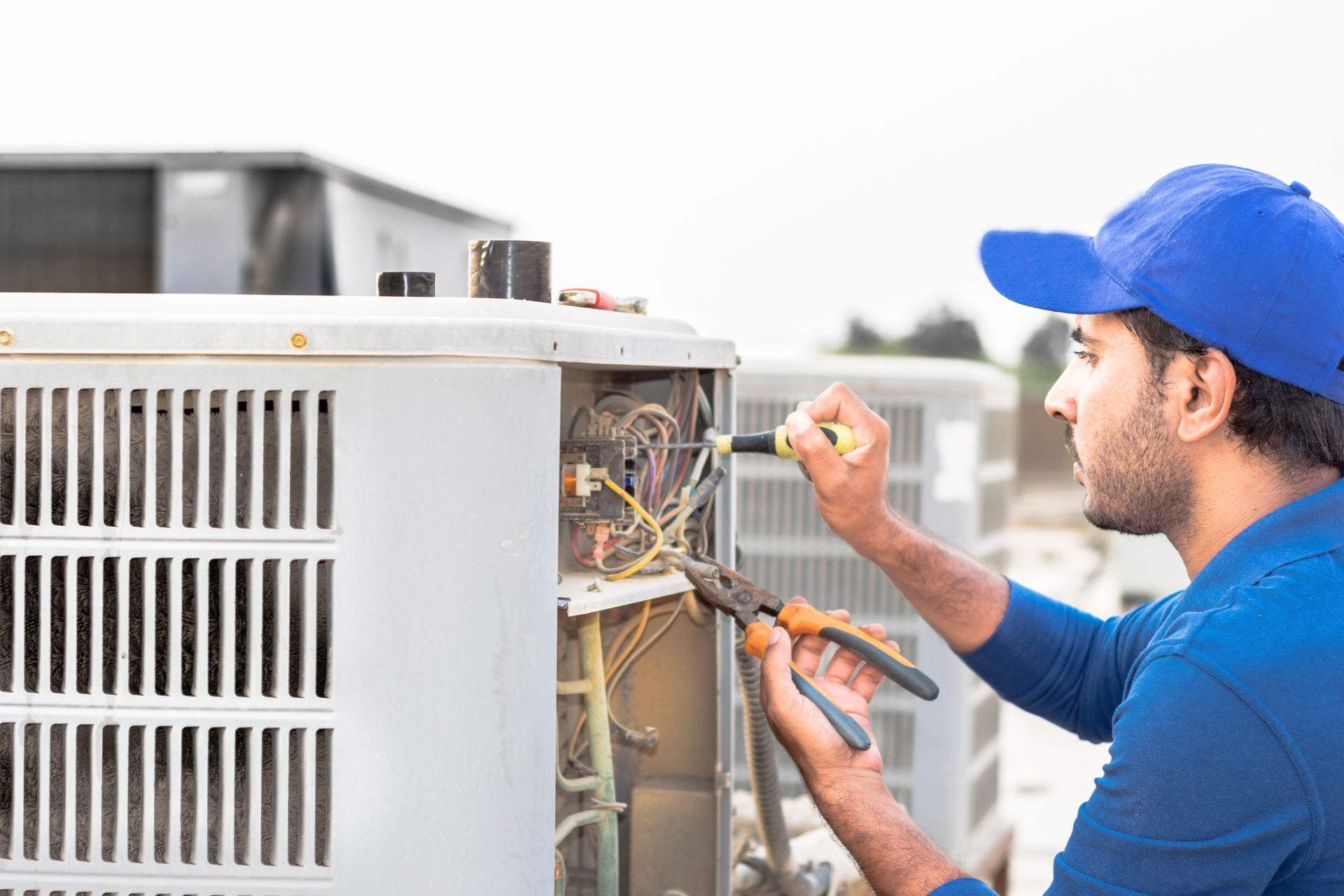
Scheduling regular preventative checkups before the arrival of extreme summer heat is a foundational practice for sustaining mechanical health. During a standard tune-up, a qualified technician inspects electrical connections, tightens loose terminal blocks, lubricates bearings, and verifies that all safety controls operate correctly. These visits allow professionals to identify minor irregularities, such as frayed wiring or failing capacitors, before they escalate into catastrophic mechanical failures during a heatwave.
Consistent maintenance ensures that the machinery does not have to fight against its own neglected hardware to cool the home. When electrical connections are clean and moving parts are fully lubricated, the system draws fewer amps, directly reducing the amount of energy required to complete a cooling cycle. These regular checkups provide homeowners with an accurate assessment of their system's overall health, making it easier to plan for future upgrades rather than facing emergency replacement costs.
Maximizing residential climate efficiency requires a comprehensive approach that looks beyond individual components to treat the home as a single, unified system. Every upgrade, from smart controls to aerodynamic adjustments, works in tandem to reduce energy consumption and stabilize indoor comfort.
Homeowners who partner with experienced AC companies ensure that their equipment is installed precisely, maintained systematically, and calibrated accurately according to professional standards. These deliberate actions protect valuable mechanical investments, lower monthly operating expenses, and create a more sustainable living environment. Taking charge of home efficiency does not mean waiting for a system failure to occur; it means establishing a relationship with certified experts who can optimize performance before the heat arrives. Contact Currents and Cooling Inc today to schedule a comprehensive system analysis and secure year-round comfort.